The Ultimate Guide to Romance Scam Warning Signs: How to Spot a Catfish Before It's Too Late
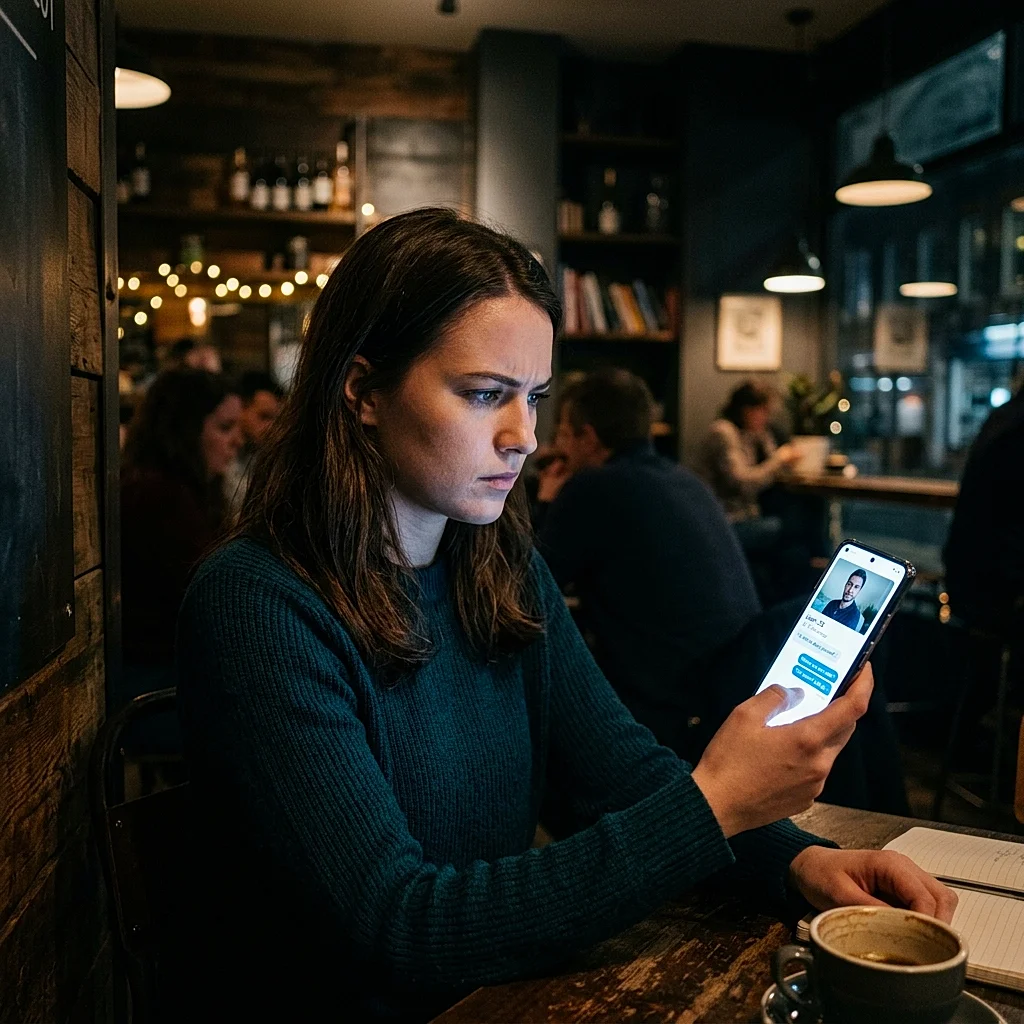
So you matched. The banter is sharp, they're gorgeous, and weirdly enough? They actually seem to get you. Like, really get you on a level nobody else has in years. It doesn't take long before you’re texting from the moment you wake up until way past midnight. You're feeling that crazy flutter in your chest you honestly thought you'd outgrown. Finally. You found your person.
But wait. Then comes the runaround.
Suddenly, the excuses start piling up. They can't do a quick FaceTime because their camera got smashed. Meeting up for coffee? Out of the question—they just got deployed overseas or took a sudden contracting gig on an oil rig. Fast forward two weeks, and bam, disaster strikes. It’s always an emergency. Their bank account is frozen, or maybe they’re stuck at customs, and they desperately need you to wire $500. They swear on their life they'll pay you back the second they see you.
Your stomach does a flip. Yep. You've been catfished.
If you think this sounds like a plot from a bad Lifetime movie, think again. The Federal Trade Commission (FTC) deals with this every single day, and the numbers are brutal. Romance scams are basically a financial wrecking ball right now. People lost a jaw-dropping $1.3 billion to these cons in a single year. We're talking a median loss of over four grand per person. But honestly? The money part almost hurts less than the emotional gut-punch of realizing the person you were falling for is literally a ghost.
Navigating digital romance today means you've got to have a built-in radar for BS. You need to know how to separate a real spark from a calculated con job. That's exactly why we put this guide together. We're ripping the lid off the catfishing industry. We’ll dive into the messy psychology behind it all, walk through the exact playbook these guys use, and arm you with 25 romance scam warning signs so you never get taken for a ride.
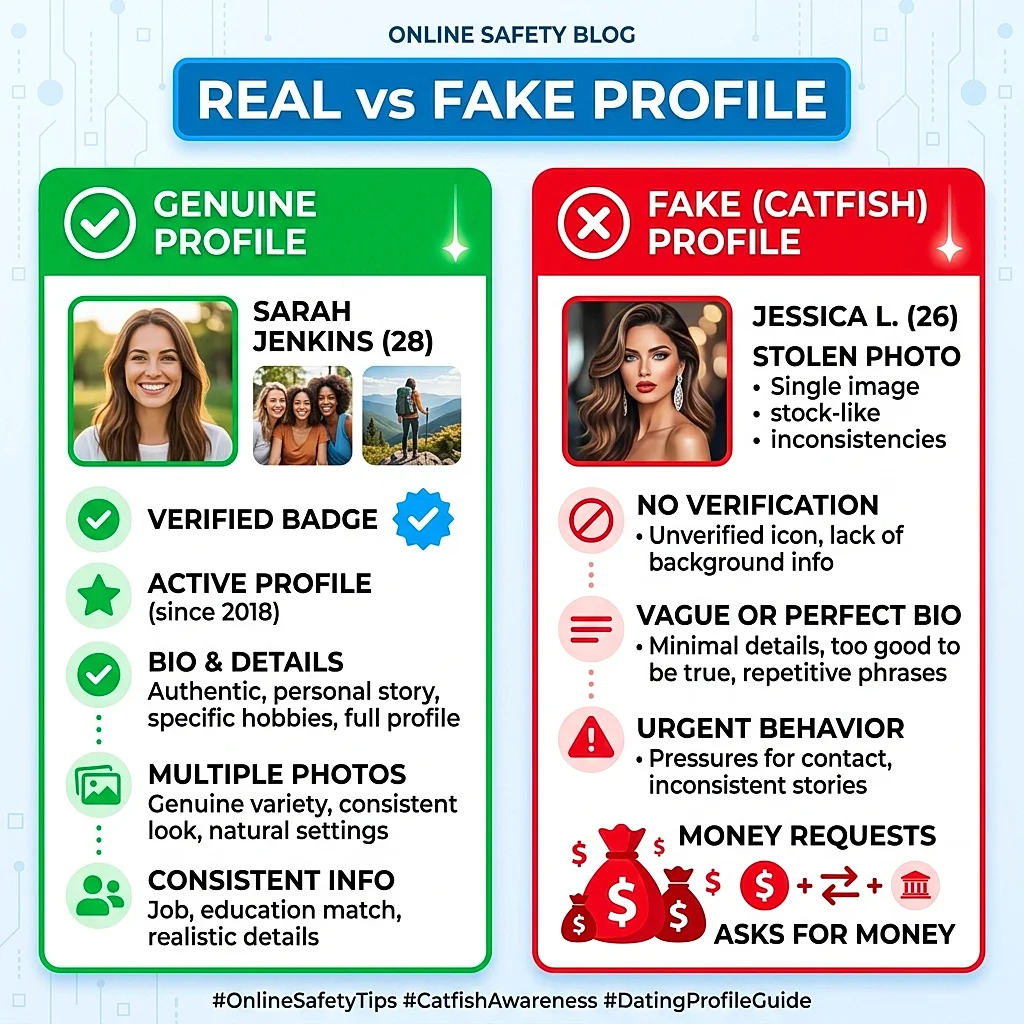
Table of Contents
- What Exactly is Catfishing and Romance Scamming?
- The Psychology of the Scammer: Why We Fall for It
- The Anatomy of a Scam: A Timeline Table
- 25 Undeniable Romance Scam Warning Signs
- How to Verify Someone is Real (The Tech Approach)
- What to Do If You Have Been Scammed
- Key Takeaways
- Frequently Asked Questions (FAQ)
What Exactly is Catfishing and Romance Scamming?
Let's get our terms straight before we dig into the red flags. People toss "catfishing" and "romance scamming" around like they mean the exact same thing. They don't. The tactics look identical, but the end game? Totally different.
Catfishing: Playing Dress-Up
A catfish is someone playing pretend on the internet. They rip off photos of some ridiculously good-looking influencer or military guy, slap a fake name on it, and build a whole fictional universe. Usually, this isn't about stealing your cash. It's way sadder than that. It's driven by massive insecurity. The catfish wants the romance, the validation, and the late-night heart-to-hearts they feel too awkward to get in real life. They're basically using your real emotions to prop up their fake ego.
Romance Scamming: The Professional Predator
Romance scammers don't care about your feelings. To them, love is just a highly profitable business model. These are often massive, organized crime rings running out of overseas boiler rooms. They use the exact same tricks—stealing photos, spinning wild stories—but they are hunting for your wallet. Period. They target lonely people, spend weeks building up insane levels of trust, and then manufacture a fake crisis just to drain your bank account.
But here's the thing: whether it’s a lonely catfish or a criminal syndicate, the wreckage left behind feels exactly the same. That betrayal hurts, and untangling it can take years.
The Psychology of the Scammer: Why Smart People Fall for It
There's this nasty rumor out there that only gullible or clueless people fall for dating scams. Total garbage. Romance scammers are absolute masters of psychological warfare. Research from the American Psychological Association (APA) shows these fraudsters know exactly which emotional buttons to push. They exploit the stuff we all crave—connection, being seen, and feeling special.
Their favorite weapon? Love Bombing. Right out of the gate, they smother you with attention. Flattery, giant promises about the future, you name it. This isn't just annoying; it actually alters your brain chemistry. That massive flood of positive attention dumps dopamine and oxytocin into your system, literally short-circuiting the part of your brain that handles logic and risk assessment.
Then they hit you with the "Sunk Cost Fallacy." By the time the scammer finally asks for a wire transfer, you're deeply emotionally invested. You've spent weeks talking to this person. Your brain would honestly rather double down on a bad bet—sending the cash and praying it's all real—than face the agonizing reality that the last month of your life was a total lie.
The Anatomy of a Scam: The Standard Timeline
These guys don't improvise. They run plays out of a very established playbook. The details might shift—maybe today he's an architect, tomorrow he's a soldier—but the timeline is almost always the same. Spot the pattern, stop the scam.
| Stage | Timeframe | Scammer's Behavior | The Victim's Experience |
|---|---|---|---|
| 1. The Hook | Days 1 - 3 | They shoot their shot. The profile is flawless. Almost immediately, they push to get you off the dating app and over to WhatsApp or text to dodge the app's security bots. | You feel flattered. Excited, even. It's rare to get such intense, immediate interest from someone this attractive. |
| 2. Love Bombing | Weeks 1 - 3 | Non-stop texting. Huge paragraphs in the morning. They start calling you "babe" or "soulmate" way too fast. Throw in a tragic backstory to get you feeling sorry for them. | Riding a massive dopamine high. You feel totally understood. Sure, there are red flags, but the emotional rush drowns them out. |
| 3. The Excuse | Weeks 3 - 5 | You suggest grabbing a drink or jumping on FaceTime. Suddenly, drama. They're shipped off for work, or their phone camera mysteriously shattered. Always an excuse. | A little bummed out, but you give them a pass because the connection feels so real. |
| 4. The Crisis & Ask | Weeks 4 - 8 | Boom. Catastrophe strikes. Their bank locked them out, someone stole their passport, or they have a crazy hospital bill. They urgently beg for cash via weird, untraceable methods. | Total panic. You want to save the day for your "partner." You rationalize the weird request and hit send on the money. |
| 5. The Ghosting | After Payment | The second the money clears (or if you refuse to pay up), they vanish. Profile deleted. Number blocked. Gone. | Crushing devastation. Deep shame, heartbreak, and a ruined bank account. |
25 Undeniable Romance Scam Warning Signs
Want to survive out there? You have to learn how to read between the lines. Here are 25 specific, actionable red flags that scream "fake profile." If you catch a match doing more than two of these, do yourself a favor and block them immediately.
Category 1: The Profile Discrepancies
1. They Look Like a Stock Photo Model
If their photos look like they were ripped straight from a GQ cover shoot or a curated Instagram grid, guard your wallet. Scammers don't steal pictures of average Joes. They steal ridiculously good-looking photos because it makes the bait irresistible.
2. They Only Have One or Two Photos
Real humans have messy digital lives. We have blurry group shots, awkward selfies with pets, and bad lighting. A profile with exactly one flawless, hyper-posed headshot is bad news.
3. Their Bio Reads Like a Soap Opera Script
Scammers love overly dramatic, clunky language. If their bio says something like "Seeking a God-fearing soulmate to share the breath of life and treat like a queen," run. It's a bad translation from a scammer script.
4. Immediate Claims of High Status or Wealth
They make sure you know right away that they are an "international crypto investor," a "surgeon on assignment," or an "offshore engineer." These jobs are perfect covers. They project wealth (so you think they don't need your money) while providing a built-in excuse for why they're thousands of miles away.
5. The Details Don't Match Up
They claim they were born and raised in Texas, but they spell things like "colour" or "favour" and string sentences together awkwardly. The backstory just doesn't match the reality of how they talk.
Category 2: The Communication Tactics
6. The Rush to Leave the App
Three messages in, and they're already begging for your WhatsApp or email. Why the rush? Premium dating apps have fraud bots that nuke scammers who send the exact same intro to 50 people. By pulling you onto a private messaging app, they strip away your safety net.
7. Extreme Love Bombing
They're talking about destiny, planning vacations, and dropping the L-word before you've even shared a basket of fries. Real intimacy is a slow burn. Rushed intimacy is a manipulation tactic.
8. Sneaky Financial Probing
Disguised as casual "getting to know you" chatter, they'll ask what you do for a living, if you own or rent, and how your retirement looks. They aren't making small talk; they're figuring out how much you're worth.
9. The "Tragic Hero" Backstory
There is almost always a heartbreaking origin story. A spouse lost in a tragic accident, or a brutal betrayal that left them raising a kid all alone. It's completely engineered to make you drop your guard and feel sorry for them.
10. Dodging the Details
Ask them where their favorite coffee shop in their supposed hometown is, and watch them squirm. They’ll give you a super vague answer and immediately change the subject to tell you how beautiful your eyes are.
Category 3: The Refusal to Verify Identity
11. Broken Cameras and Technical Difficulties
You ask to FaceTime. Suddenly, their phone camera is "busted," or the Wi-Fi on their "oil rig" is too weak for video. Come on. It's 2026. Everyone has a working camera. If they won't video chat, they are hiding their face.
12. Constant Rescheduling
You nail down dinner plans. An hour before you're supposed to meet, a massive "crisis" pops up. They apologize profusely, but somehow, this happens every single time you try to meet up.
13. Refusal to Take a Verification Photo
Think they're fake? Ask them to send a quick selfie holding a piece of paper with today's date and your name on it. A normal person might roll their eyes, but they'll do it. A scammer will act incredibly offended and guilt-trip you for "not trusting them."
14. Ghosting and Reappearing
They vanish for four days because they were "on a top-secret mission" or "in a dead zone." In reality? They're juggling forty other victims and genuinely forgot to text you back.
15. Zero Digital Footprint
You google their name and their company. Nothing. Zilch. If a highly successful 45-year-old surgeon has absolutely no presence on LinkedIn or Google, they are a ghost.
Category 4: The Financial Asks (The Point of No Return)
16. The Sudden Medical Emergency
They're traveling abroad and got into a terrible accident, but their insurance won't cover it. They just need $800 to pay the clinic so they can fly home and be in your arms. Classic trap.
17. The Customs or Passport Issue
They're finally at the airport coming to see you! Oh no, wait. Customs detained them, and they need a sudden $1,500 "processing fee" to get released, but their bank accounts are frozen. Send help.
18. Asking for Untraceable Payment Methods
Normal humans use Venmo or Zelle. Scammers will literally beg you to use Western Union, wire transfers, Bitcoin, or—the biggest red flag of all—buying massive stacks of Apple or Google Play gift cards and sending them the codes.
19. The "Lucrative Crypto Investment"
This is the new heavyweight champ of romance scams (often called "Pig Butchering"). They don't ask for your money directly. Instead, they just brag about how rich they're getting off crypto and offer to "teach you." They direct you to a fake trading site they built. You put money in, it looks like you're rich on screen, but when you try to cash out? Poof. Gone.
20. Needing You to Receive Packages
They ask if they can ship some laptops or gear to your house because they're out of town, asking you to reship it later. Don't do it. You're being used as a "money mule" to launder stolen goods, which can land you in serious legal trouble.
Category 5: The Behavioral Shifts
21. The Guilt Trip
The absolute second you hesitate to send money, the sweet talk ends. They flip the script and accuse you of being cold-hearted. "I thought you loved me. If you really cared, you wouldn't let me sit here and suffer."
22. Extreme Urgency
Everything is a life-or-death emergency that must be solved right this exact second. They create panic so you don't have time to stop, think logically, or call a friend for advice.
23. Asking for Your Bank Login
They offer to transfer money into your account just to prove how rich they are—all they need is your banking username and password. Do not give it to them. It's a straight-up hijacking attempt.
24. Inappropriate Anger When Boundaries are Set
Say something like, "I have a strict rule about not sending money to people I haven't met." A healthy adult respects that. A scammer will absolutely lose their mind or try to bulldoze the boundary.
25. Your Gut Tells You Something is Wrong
Listen, the best fraud detector you have is your own intuition. If something feels off, if the stories are getting too wild, or if you just have a sick feeling in your stomach—listen to it. Your subconscious is catching the lies your heart wants to ignore.
How to Verify Someone is Real: The Technological Approach
Look, playing internet detective is exhausting. It ruins the fun of dating. If you're sick of the anxiety, it's time to stop using apps that let scammers run wild.
The smartest way to dodge a catfish is to only hang out in verified spaces. That’s the whole point of LoveConnet.
We saw the romance scam epidemic and realized the only way to stop it was to lock the front door. Unlike Tinder or Bumble, where anyone can spin up a fake profile in three minutes with a burner email, LoveConnet doesn't play games. We use AWS Rekognition technology.
Every single user has to pass a mandatory live facial biometric check. We scan their actual face in real-time and cross-reference it against the photos they uploaded. If they don't match, they don't get in. Period. You literally cannot view profiles or send a message until you prove you are the person in your pictures.
What does that mean for you? When you get a match on LoveConnet, you know with 100% absolute certainty that you are talking to a verified, living, breathing human being. We handle the tech so you can actually relax and focus on finding a real connection.
👉 Learn more about our safety protocols: The LoveConnet Verification Guarantee
What to Do If You Have Been Scammed
First things first: if you realize you've been taken for a ride, you have to forgive yourself. Stop beating yourself up. These are professional con artists who trick lawyers, doctors, and bankers for a living. It happens. It is not your fault.
Here is exactly what you need to do next:
- Cut the Cord: Do not confront them. Do not tell them you figured it out. They'll just manipulate you or delete all their evidence. Block their number and their profile instantly.
- Lock Down Your Cash: If you gave them any banking info, call your bank yesterday. Cancel the cards, freeze your credit with the major bureaus, and change every single password you have.
- Report the Profile: Flag the user on whatever app you met them on so they can't do this to the next person.
- Go Official: If you're in the US, report the fraud to the Federal Trade Commission (FTC) at ReportFraud.ftc.gov. You should also file a claim with the FBI's Internet Crime Complaint Center (IC3).
- Get Some Support: The emotional whiplash of a romance scam is traumatic. Seriously. Don't carry it alone. Talk to a friend, a family member, or a professional therapist to help process the grief.
👉 Need help moving forward? Connect with a certified relationship counselor directly inside the LoveConnet app.
Key Takeaways
- It's a massive business: Romance scams aren't isolated incidents; they're run by professional criminal rings stealing billions every single year.
- Love bombing is a trap: Getting flooded with affection and big promises early on isn't romantic. It's a calculated move to shut down your logical thinking.
- Excuses are massive red flags: If someone dodges video calls and flakes on meeting in person because of crazy emergencies, they are hiding their face.
- Keep your wallet closed: There is literally zero reason a stranger on a dating app needs you to wire them cash, buy gift cards, or invest in crypto. Don't do it.
- Use verified platforms: Save yourself the headache. Switch to highly secure platforms like LoveConnet, where mandatory AWS facial recognition keeps the scammers out.
Frequently Asked Questions (FAQ)
What is the most common lie told by romance scammers?
Their job. Scammers almost always claim to be in the military, working on an offshore oil rig, or traveling as an international doctor. Why? Because those jobs give them a bulletproof excuse for why they can't meet up or video chat (bad Wi-Fi, high security, etc.).
How do I test if someone is a catfish?
Tell them you want to do a quick FaceTime or video call. If they refuse or suddenly have camera issues, you have your answer. You can also run their profile pictures through a reverse image search on Google or TinEye to see if the photos were stolen from someone else.
Why do scammers ask for gift cards?
Because they are basically untraceable. If you give a scammer the code on the back of an Apple or Google Play gift card, that money is gone instantly. The police can't track it down or reverse the charge like they sometimes can with a bank transfer.
Can a catfish actually fall in love with you?
If it's just a lonely person hiding behind fake photos, maybe. They might actually feel a real emotional bond. But the whole relationship is still built on a lie. Professional romance scammers? Absolutely not. They don't love you; they love your money.
What is "Pig Butchering" in online dating?
It's a brutal crypto scam. The scammer builds up a ton of trust (fattening the pig) and then casually talks you into investing your savings into a fake crypto platform they secretly run. Once you put your money in, they steal it all and vanish (the butchering).
Do romance scammers ever meet in person?
Almost never. Meeting you ruins the illusion and gets them arrested. They'll promise to meet you a hundred times, but there will always be a tragic, last-minute emergency that prevents it.
Is it safe to give my phone number on a dating app?
Keep the chatting inside the dating app until you've actually verified they are real (like via video chat or a public date). Handing out your number too fast exposes you to phishing scams and makes it way harder for the dating app to ban them if they turn out to be a creep.
How can I know for sure a profile isn't fake?
Honestly? By using an app that doesn't let fake profiles exist in the first place. Platforms like LoveConnet force every single user to pass a live facial biometric scan before they can do anything. It does the detective work for you.
Your time and your heart are way too valuable to waste on fakes. Stop playing internet detective and start dating with total confidence. Join LoveConnet today and see what it's like to swipe in a 100% verified dating pool.



💬 Discussion (0)
No comments yet. Be the first to share your thoughts!